

When sourcing mugs for coffee shops or corporate branding programs, buyers often face a crucial decision — ceramic or glass? Both materials have unique benefits for branding, cost control, and customer experience. Understanding their differences helps optimize product selection and streamline large-scale procurement.
☕ 1. Ceramic Mugs: The All-Rounder for Everyday Service
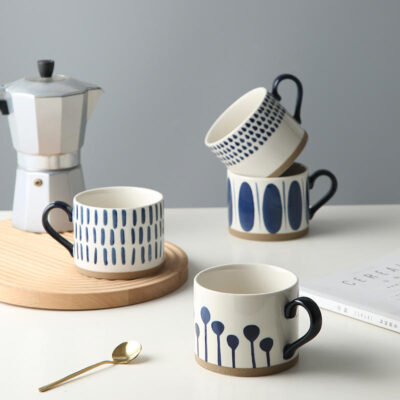
Ceramic mugs remain the most popular choice in cafés and restaurants due to their versatility, printing quality, and affordability.
-
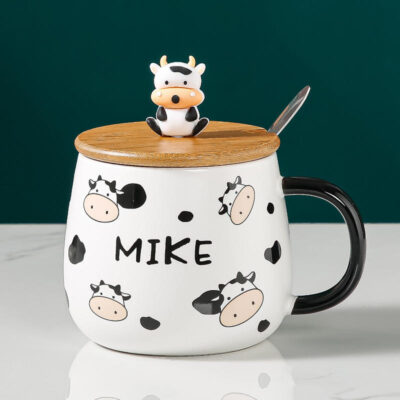
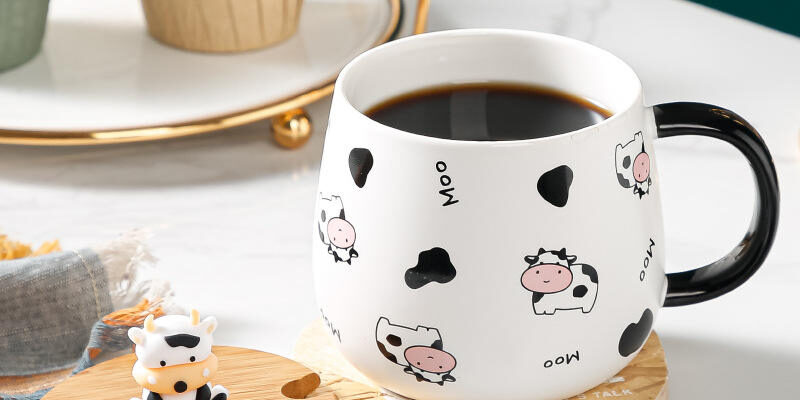
Brand Printing: Ceramic provides an ideal surface for decal, screen, and sublimation printing. The glaze coating locks in vivid colors and sharp logo details.
-
Heat Retention: Ceramic’s dense composition keeps beverages warm longer — a key factor for hot drinks like cappuccinos or mochas.
-
Durability: With proper firing and glaze, ceramics resist cracking and chipping during commercial use.
For long-term brand consistency, working with an experienced Ceramic Mug Supplier ensures accurate color matching and reliable QC during mass production. Their OEM service often includes Pantone-matched glazes and packaging customization for retail or café use.
🧊 2. Glass Mugs: Modern, Minimal, and Perfect for Presentation
Glass mugs are increasingly favored by premium cafés and lifestyle brands for their aesthetic transparency and lightweight design.
-
Visual Appeal: Customers can see the beverage layers — great for marketing espresso-based drinks or fruit teas.
-
Material Safety: Borosilicate glass offers excellent thermal resistance and clarity while staying lightweight.
-
Printing Flexibility: While limited compared to ceramic, glass mugs can feature minimal laser etching or transparent decal designs.
The main trade-off is fragility: while visually elegant, glass requires better packaging and handling. Bulk buyers should consider double-walled glass models for insulation and safety improvements.
Partnering with a professional Glass Mug Supplier can help balance visual design and mass-production feasibility, especially when targeting upscale markets.
💰 3. Cost Comparison: Material, Shipping, and Maintenance
Cost efficiency in mug procurement involves more than unit pricing.
-
Production Cost: Ceramic mugs usually have lower production costs, especially for large volumes.
-
Shipping: Glass mugs are lighter but require extra protection — resulting in similar overall freight cost per carton.
-
Breakage Rate: Ceramic’s thicker wall structure translates to fewer breakages in transit and daily use.
When ordering for multiple branches, total lifetime cost — including shipping, replacements, and packaging — should guide your decision.
🧩 4. Branding and Design Flexibility
Ceramic offers unlimited options for glaze color, handle shape, embossing, or decal placement — perfect for private label series. Glass, on the other hand, delivers a clean, minimalist look that highlights the beverage rather than the logo.
In brand identity terms:
-
Choose ceramic if your brand emphasizes warmth, tradition, and rich color.
-
Choose glass if your brand aligns with minimalism, transparency, and modern lifestyle aesthetics.
📦 5. Recommendation for B2B Buyers
For café chains or distributors, a hybrid approach often works best:
-
Ceramic mugs for dine-in service and custom logo collections.
-
Glass mugs for premium drinks and visual storytelling.
By combining both materials, brands can enhance presentation while keeping procurement cost-effective.
✅ Pro Tip:
To minimize cost and simplify logistics, consolidate orders across multiple mug types through one supplier who manages ceramic, glass, and sublimation production lines. This ensures better consistency in packaging and lead time coordination.