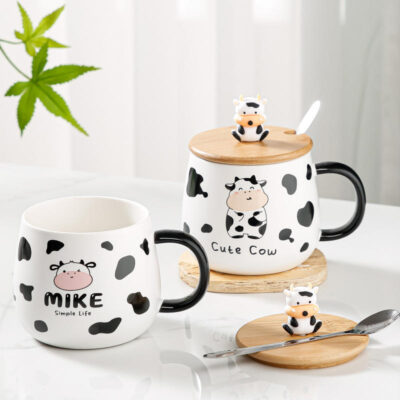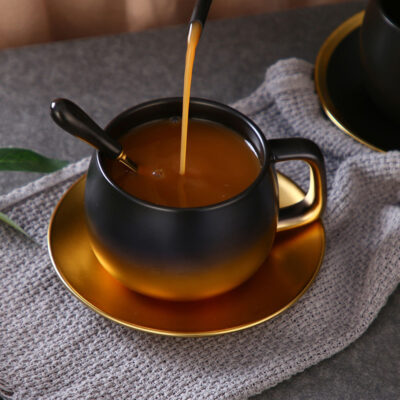


Opening a coffee shop or expanding a café chain involves hundreds of decisions — from menu design to furniture layout. Yet one seemingly small detail can make or break the customer experience: the choice of mug.
Mug capacity, shape, and material directly influence serving efficiency, aesthetic appeal, and even beverage perception.
Here’s a professional sourcing guide for café owners planning their next purchase or franchise rollout.
☕ 1. Understanding Mug Capacity and Beverage Types
Different beverages require different mug volumes to maintain flavor balance and visual proportion.
| Beverage Type | Recommended Mug Capacity | Description |
|---|---|---|
| Espresso | 60–90 ml (2–3 oz) | Small volume retains crema |
| Cappuccino | 180–220 ml (6–8 oz) | Ideal foam-to-coffee ratio |
| Latte | 250–350 ml (8–12 oz) | Room for milk layering |
| Mocha / Specialty Drinks | 350–450 ml | Supports toppings & cream |
| Tea / Herbal Drinks | 300–400 ml | Keeps aroma and warmth |
Choosing the right mug size ensures portion consistency and customer satisfaction while helping staff maintain faster turnaround times during rush hours.
🧩 2. Shape and Function: More Than Aesthetics
The mug’s shape isn’t just visual — it affects aroma diffusion, grip, and temperature retention.
-
Round-bottom mugs enhance foam integration for cappuccinos.
-
Straight-wall mugs fit latte art well and are stackable for café storage.
-
Tapered mugs are comfortable to hold and balance thermal retention.
For consistent performance and easy restocking, work with a professional Coffee Mug Supplier who offers OEM shape molds and can ensure uniform sizing across production batches.
💡 3. Material Choices and Service Impact
Each material creates a different experience for both customer and barista:
-
Ceramic mugs: Most common in cafés. Provide ideal heat retention and printing flexibility.
-
Glass mugs: Showcase color layers and are perfect for cold brews or signature drinks.
-
Stainless steel mugs: Best for takeout or outdoor settings — durable and insulated.
When ordering, balance aesthetic design and service practicality. Ceramic remains the most cost-effective for dine-in service, while glass adds a premium look for open-bar cafés.
🧾 4. Turnover Rate and Operational Efficiency
Fast-paced cafés rely on quick washing, drying, and restocking cycles. Mug size and material should align with turnover requirements:
-
Smaller mugs (under 250ml) reduce serving time and cooling duration.
-
Stackable shapes save storage space and speed up dishwashing logistics.
-
Lightweight materials like porcelain or tempered glass help servers handle multiple mugs safely.
Higher turnover equals faster ROI — and efficient mug management plays a key role in that.
🧠 5. Brand Identity Through Mug Design
A coffee mug is one of the most visible brand elements in your café. Whether it’s embossed, printed, or color-glazed, every detail reflects your brand’s personality.
To maintain consistency across outlets, centralize sourcing through a global Mug Wholesale partner who provides both design assistance and mass production control.
Consider these custom features:
-
Pantone color alignment with your brand palette
-
Laser-engraved logos for a premium finish
-
Decal or heat-transfer printing for cost-effective branding
-
Matte glaze for a modern minimalist touch
📦 6. MOQ and Reorder Planning
For first-time café setups, starting quantities should align with your seating capacity and washing rotation.
Example:
-
A 30-seat café serving two cycles per hour may need 200–300 mugs initially.
-
Add 10–15% as buffer stock for damage or replacements.
Most suppliers require an MOQ of 500–1,000 pcs per design, ensuring consistent glaze color and logo print results across batches. Bulk ordering also helps stabilize pricing during raw material fluctuations.
✅ Final Takeaway
The right mug is not just a container — it’s a brand signature that reinforces your café’s style, efficiency, and profitability.
Focus on three essentials:
-
Capacity alignment with your menu.
-
Shape uniformity for operational efficiency.
-
Reliable supplier partnerships for long-term consistency.
By investing in quality mugs early on, your coffee shop will benefit from smoother operations, consistent branding, and happier customers.