

For café chains, brand refreshes are part of long-term growth — whether it’s a logo update, color adjustment, or full redesign.
But rebranding large volumes of tableware, especially mugs, can be challenging without disrupting daily operations.
This guide explains how to handle fast color swaps, reprints, and production planning to make your transition seamless and cost-efficient.
☕ 1. The Challenge of Mug Rebranding for Café Chains
Mugs are among the most visible branded assets in any café — customers touch them daily. When you update your brand, outdated colors or logos can send mixed messages.
However, replacing thousands of mugs across multiple locations involves careful coordination:
-
Maintaining consistent glaze colors and logo placement
-
Minimizing downtime between old and new stock
-
Aligning packaging and promotional materials
A reliable Coffee Mug Supplier can streamline the process by providing design mockups, color matching, and partial replacement options — allowing you to phase in new stock gradually instead of all at once.
🎨 2. Fast Color Swaps with Pantone Precision
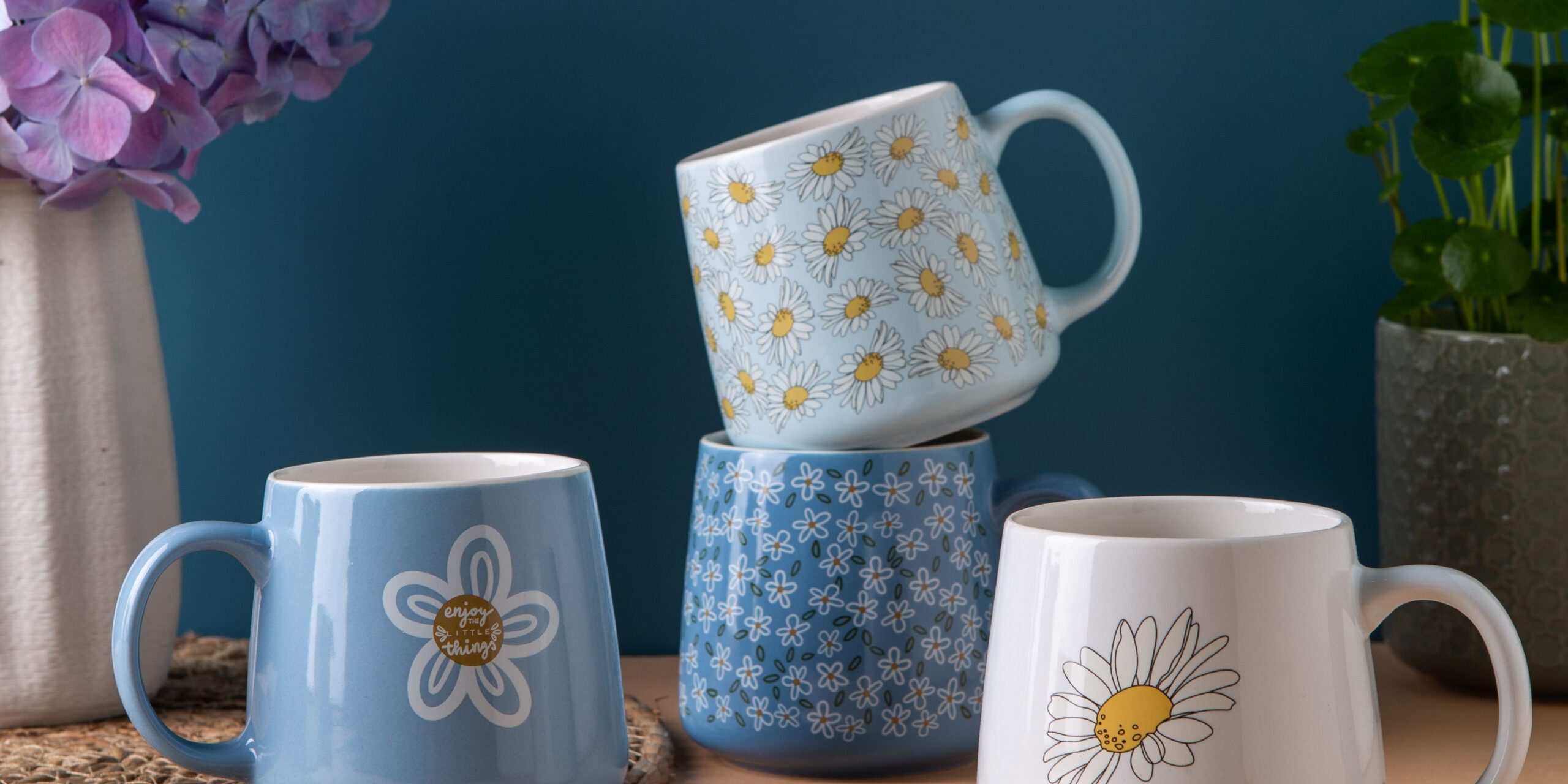
The quickest way to rebrand mugs is by changing color tones using Pantone matching.
Instead of redesigning molds, you simply update the glaze or coating formula:
-
Adjust logo or mug body color to match your new palette.
-
Test multiple finishes (matte, glossy, satin) under neutral lighting.
-
Approve a small pre-production batch before scaling.
This method reduces retooling costs and ensures color uniformity across all locations.
Top manufacturers store Pantone color recipes digitally, making it easy to reproduce shades for future orders.
🖨️ 3. Reprinting Logos Without Full Replacement
In some cases, cafés don’t need brand-new mugs — only new logos.
A cost-effective option is logo reprinting on existing stock or neutral base mugs.
Techniques include:
-
Screen reprinting: Ideal for simple one-color logos.
-
Heat decal reprint: Works for complex or multicolor designs.
-
Partial overlay printing: Masks old logos while applying new branding.
By reusing base mugs, you cut material waste, shorten production time, and stay aligned with sustainability goals.
🧱 4. Inventory Rotation and Phased Deployment
Café chains can’t simply stop service to replace tableware. Instead, they should follow a phased rollout strategy:
-
Audit existing mug inventory by location and model.
-
Prioritize high-traffic stores or flagship outlets for first rollout.
-
Distribute updated mugs alongside existing ones during transition.
-
Standardize packaging, labeling, and tracking for consistency.
Partnering with a global Mug Supplier allows centralized management of production and logistics, ensuring every region receives consistent, compliant stock.
🧾 5. Cost Management and Lead Times
Rebranding projects often run under strict deadlines — sometimes just a few weeks before relaunch.
Typical lead times:
-
Color matching sample: 7–10 days
-
Production & printing: 25–30 days
-
Logistics coordination: 7–15 days depending on region
Plan your reorder calendar early and secure production slots in advance to avoid seasonal factory congestion (especially before Q4 holidays).
💡 6. Packaging and Visual Consistency
When introducing new branding, every touchpoint matters. Align your mug packaging with your updated identity:
-
Replace old logos on kraft boxes or gift sleeves.
-
Match Pantone values across printed materials and glaze.
-
Use QR tags or insert cards to communicate the “new look” story.
This cohesive presentation strengthens your rebrand impact both in-store and online.
✅ 7. Sustainability: Refresh, Don’t Replace
Sustainability-conscious brands can reuse old mug stock by recoating or overprinting, minimizing waste while achieving a refreshed visual identity.
This approach reduces landfill impact and reinforces your brand’s environmental values — a growing expectation among modern café customers.
📦 Final Takeaway
Rebranding doesn’t have to mean starting from scratch. With the right supplier partnership, you can manage color swaps, logo reprints, and phased rollouts smoothly — maintaining consistency across every café branch.
By focusing on Pantone precision, cost control, and smart logistics, your café can complete its brand transformation efficiently while keeping service uninterrupted and customers delighted.