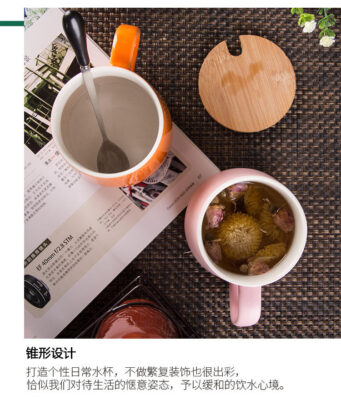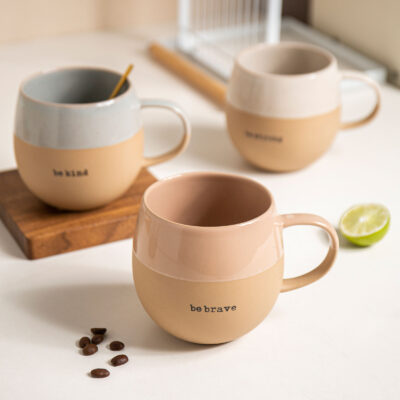


Custom mugs are more than just drinkware—they’re powerful branding tools. From coffee chains to lifestyle labels, businesses use personalized mugs to reflect identity, emotion, and craftsmanship.
But to achieve a truly professional look, you must understand how color matching, decal placement, and surface finishing work together in mug design.
🎨 1. Pantone Matching: The Foundation of Brand Consistency
Color defines recognition. When you reproduce a logo or brand palette on mugs, even a small deviation can affect perceived quality.
Pantone Matching System (PMS) ensures your brand color stays consistent across all production runs.
Key tips for B2B buyers:
-
Always provide Pantone Solid Coated codes for accuracy.
-
Request a pre-glaze test sample to evaluate final color under firing.
-
Consider how glaze or coating type (matte, glossy) influences hue appearance.
-
Use side-by-side color comparison under D65 daylight lighting for precision.
A professional Custom Mug Supplier will maintain a calibrated color system and run small-batch tests before large-scale production, guaranteeing color integrity across your branding series.
🖼️ 2. Decal Printing: For Detailed and Vibrant Artwork
Decal application is one of the most versatile and popular decoration methods in custom mug production.
It allows for photo-quality images, gradients, and even metallic effects.
The process:
-
Artwork is printed on a transfer sheet using ceramic pigments.
-
The decal is soaked, positioned on the mug, and smoothed manually or by machine.
-
The mug is fired at 700–800°C to fuse the image into the glaze.
Advantages of decal printing include:
-
Fine detail reproduction for logos and illustrations
-
Full-wrap designs for promotional collections
-
Compatibility with ceramic, glass, or enamel mugs
Ensure your supplier uses lead-free, dishwasher-safe inks to meet EU and FDA safety standards. This prevents fading and ensures long-term durability for retail products.
🧱 3. Embossing and Relief Effects: Subtle but Premium
Embossed or debossed logos add tactile dimension to mugs, providing a sense of luxury and exclusivity.
Unlike printed designs, embossing is created during the mold stage, requiring custom tooling.
Popular applications include:
-
Raised brand logos or taglines
-
Pattern textures for grip or decoration
-
3D borders around logos for gift editions
Though mold costs are higher, embossed mugs often achieve a higher perceived value and are ideal for premium collections or limited-edition launches.
💡 4. Combining Techniques for Maximum Impact
The most successful custom mugs combine printing + embossing + coating to create visual and tactile contrast. For example:
-
Matte glaze + metallic decal = modern minimalist style
-
Embossed logo + glossy glaze = premium retail look
-
Pantone matte color + white decal logo = sustainable aesthetic
Each finish tells a different brand story—choose the one that fits your identity.
🧾 5. MOQ, Sampling, and Production Timeline
For most OEM/ODM custom projects:
-
MOQ: 500–1,000 pieces per color or design
-
Sample Time: 7–10 days
-
Lead Time: 25–35 days after approval
Working directly with a certified Mug Supplier ensures one-stop management—from mold development to decal application—reducing miscommunication between factories.
📦 6. Packaging and Presentation
The design doesn’t end with the mug itself. Custom packaging reinforces your brand message.
Options include:
-
Kraft boxes for eco-friendly brands
-
Glossy retail boxes with window cutouts
-
Gift sleeves or printed inserts for holiday campaigns
Always align packaging color and logo placement with the mug’s tone to maintain visual harmony across your collection.
✅ Final Takeaway
Designing a custom mug is both an art and a technical process. By mastering Pantone color matching, precise decal printing, and embossing craftsmanship, your brand can create lasting impressions while maintaining production efficiency.
With professional suppliers supporting sampling, quality control, and export logistics, even small brands can achieve retail-grade finishes that stand shoulder-to-shoulder with global names.