

When selecting drinkware for your brand, both stainless steel tumblers and ceramic mugs offer unique advantages.
Each serves different user needs — from morning commuters to coffee shop regulars.
For B2B buyers, understanding thermal performance, design flexibility, and target market can help optimize sourcing strategies.
🔩 1. Material Overview: Function Meets Brand Purpose
Both tumblers and ceramic mugs hold strong positions in the drinkware market, but they excel in different environments.
| Type | Best For | Key Advantage | Common Buyers |
|---|---|---|---|
| Ceramic Mug | Indoor café, office use | Classic aesthetics, branding flexibility | Coffee chains, hotels |
| Stainless Steel Tumbler | Outdoor, travel, commuting | High insulation, durability | Sports, travel, lifestyle brands |
While ceramic mugs suit in-store dining or corporate gifting, tumblers are designed for on-the-go lifestyles. The right choice depends on your target audience’s routine.
🌡️ 2. Thermal Performance Comparison
Heat retention is the main differentiator.
-
Ceramic mugs retain warmth for around 15–25 minutes, depending on wall thickness and room temperature.
-
Double-wall stainless steel tumblers maintain heat for 4–6 hours, or cold beverages for up to 12 hours.
The vacuum insulation inside tumblers prevents heat transfer, while ceramic relies purely on density and glaze.
Brands targeting commuters or outdoor enthusiasts benefit from the enhanced insulation of tumblers.
Those aiming for café aesthetics and indoor experiences can continue with ceramics for comfort and branding appeal.
☕ 3. User Experience: Comfort vs Performance
-
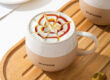
Ceramic mugs deliver a home-like warmth and are ideal for latte art presentation.
-
Tumblers are leak-resistant, lightweight, and perfect for mobility.
For cafés offering takeaway or branded merchandise, consider pairing both options: a ceramic line for in-store use and a tumbler line for retail sales.
An experienced Tumbler Supplier can provide reusable designs that align with sustainability goals and modern commuting habits.
🎨 4. Branding and Customization Potential
Ceramic mugs allow nearly unlimited branding possibilities:
-
Pantone color matching
-
Full-wrap decal printing
-
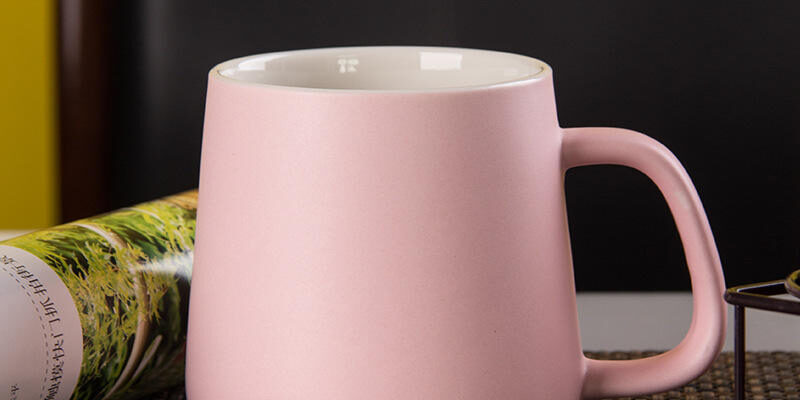
Embossed or matte glaze finishes
Tumblers, on the other hand, favor:
-
Laser engraving for permanent logos
-
UV printing for color accuracy
-
Powder coating for grip and durability
Both options can deliver premium finishes when handled by an experienced Ceramic Mug Supplier, especially for private label or corporate programs.
🧾 5. MOQ, Sampling, and Production Lead Time
| Category | MOQ | Sampling Time | Lead Time |
|---|---|---|---|
| Ceramic Mug | 500–1000 pcs | 7–10 days | 25–35 days |
| Stainless Steel Tumbler | 500–800 pcs | 10–12 days | 30–40 days |
Factories often combine production lines to simplify shipping and maintain color consistency.
Consolidating orders under one manufacturer helps synchronize packaging and logistics for multiple product types.
💡 6. Sustainability and Reuse Trends
With sustainability at the forefront of modern retail, both mug types offer eco benefits:
-
Ceramic mugs: 100% reusable, recyclable, and long-lasting.
-
Tumblers: Reduce single-use cup waste, promoting responsible consumption.
Many brands now position tumblers as “eco travel essentials”—especially those targeting Gen Z or outdoor markets.
📦 7. Packaging and Merchandising Options
For retail and e-commerce sales, presentation is crucial:
-
Ceramic mugs work well in printed kraft boxes or gift sets.
-
Tumblers often come in minimalist tubes or matte-finish boxes with metallic foil accents.
Unified branding across packaging helps maintain a cohesive customer experience between product categories.
✅ Final Takeaway
Choosing between tumblers and ceramic mugs is not an either-or decision — it’s about audience, function, and strategy.
-
Pick ceramic mugs for cafés, hotels, and corporate environments that value tactile warmth and design flexibility.
-
Choose stainless steel tumblers for outdoor, lifestyle, or eco-conscious customers seeking portability and insulation.
By offering both categories under your brand, you can maximize market reach, showcase craftsmanship, and stay relevant in both indoor and outdoor beverage trends.